I find out why users leave
I thrive in environments where acquisition works but activation and retention don't. Through interviews, behavioral data and product sense, I map the journey, identify bottlenecks for growth and turn that into experiments.
And hearts, of course. From touch, to TV, to things with no screen at all: 10+ years across Research, Growth, Systems, and Interaction Design.
What I bring
I thrive in environments where acquisition works but activation and retention don't. Through interviews, behavioral data and product sense, I map the journey, identify bottlenecks for growth and turn that into experiments.
Agency, in-house, scale-ups or startups: I've designed for every screen, from smartwatch to TV, and devices with none at all. This range lets me operate across B2C, complex B2B dashboards, and early-stage AI/agentic products.
I mentor other designers, and have written more than a dozen research frameworks that keep working, components that outlive the project, and practices that scale beyond me.
Selected examples of the work, from finding the problem to shipping the fix.
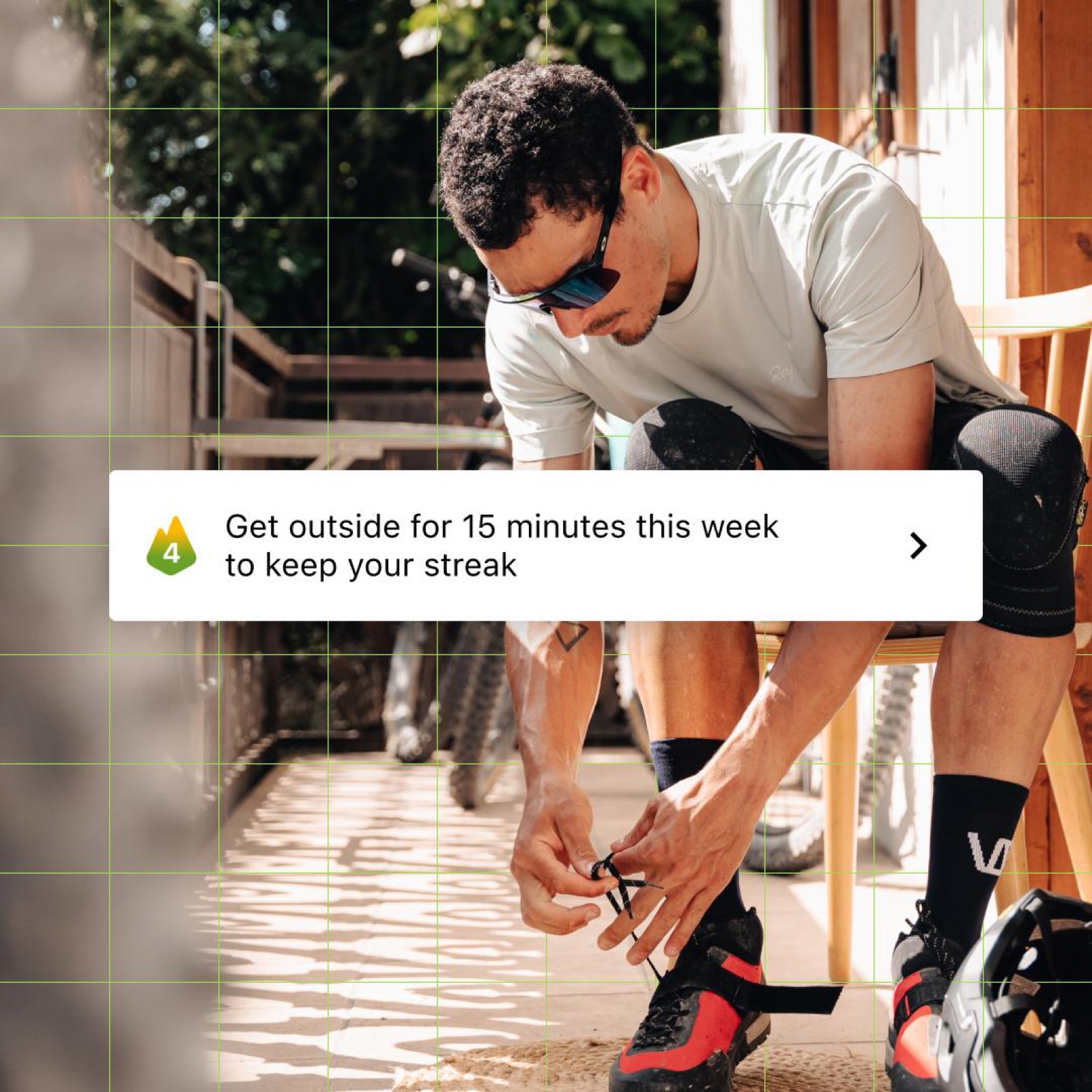
Komoot's Adventure Streaks: a weekly habit loop against seasonal churn.
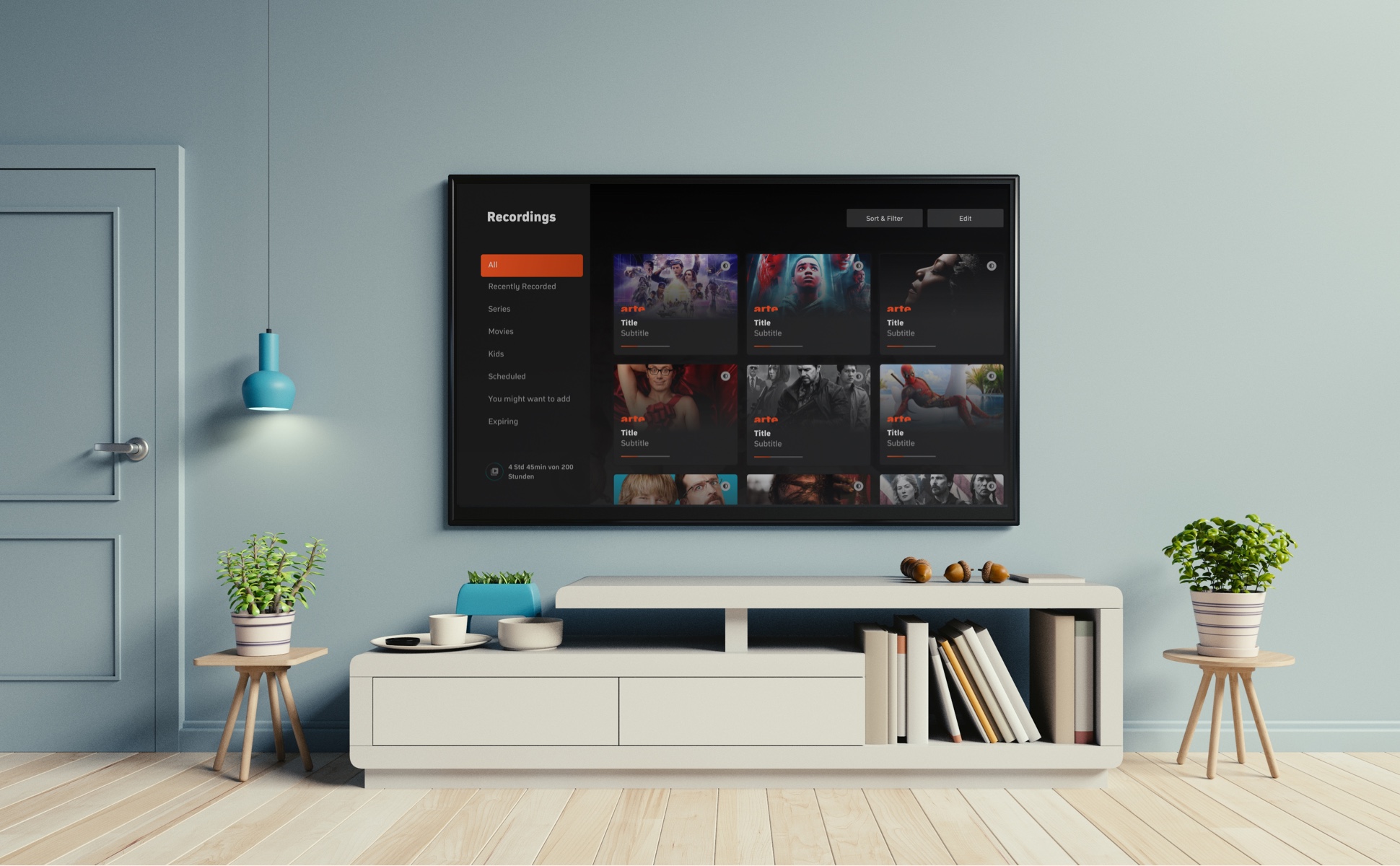
Zattoo's Recordings: seven platforms unified into one consistent experience.
A decade-plus career across five companies, from early-stage startups to scaled platforms.
Before growth funnels, I designed interactions you could touch and feel: published research on how sound changes the way surfaces feel (UCL / IxDC), and a voice messaging device you operate by hugging it (CIID).
That instinct, that interaction is bigger than pixels, still shapes how I work.
Read paper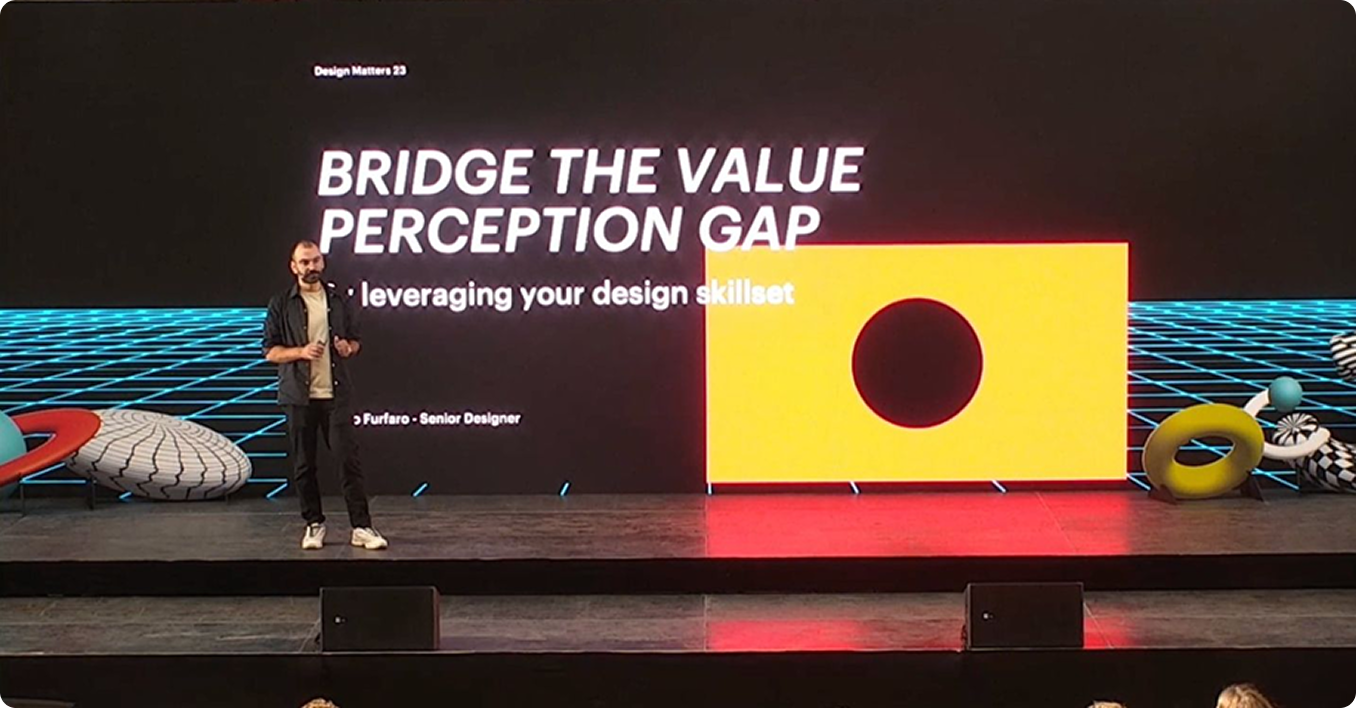
Even if I consider myself an (extroverted) introvert, I enjoy public speaking and giving back to the community.
For this reason, I often seek out the opportunity to give a talk.
Roles are blurring, and I welcome it. I've always found the constraints of job titles limiting.
I think AI is going to has reshaped how we work, especially in tech.
Tool revolutions aren't new. Every real shift in tools looks like the end of a discipline right before it turns out to be the beginning of a better one. AI is the same pattern, just faster and louder. Claudio Guglieri gave a great talk on this (more about art than design, but eye opening): It's Time to Get Weird.
So instead of asking whether my job survives, I use it.
Here's the thing though: it's not magic. There's a lot of work up front. If a prototype takes me 10 minutes to go from 0 to 90%, it's because I spent hours beforehand nailing down the research to give it accurate context.
None of this replaces the part of the work that actually matters: knowing what to build, reading what people need underneath what they say, deciding what's worth shipping.